|

Robert Kim
Housing Policy Advisor
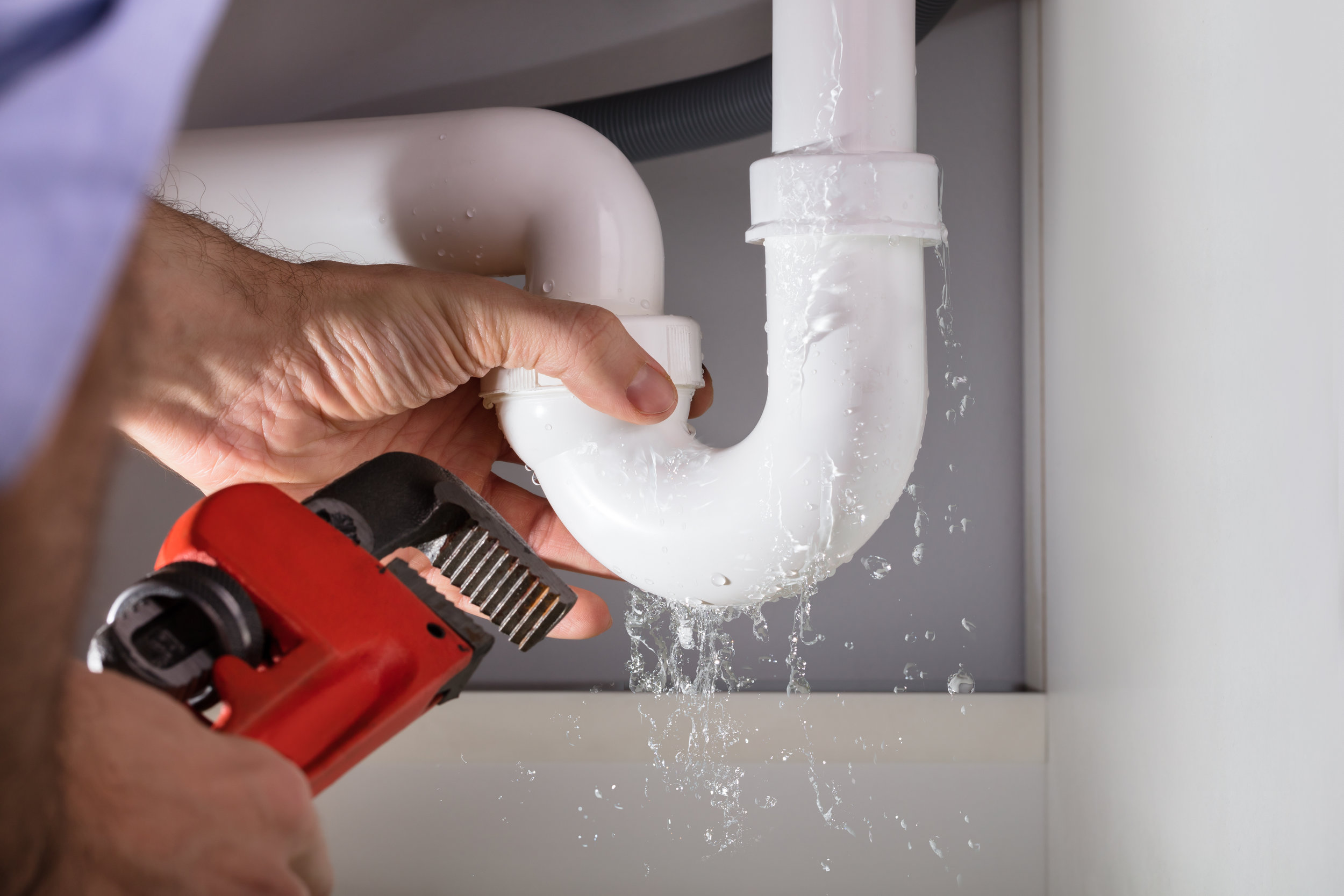
Living in your first student house is a big step — and with it comes the joys (and occasional pains) of independent living. One of the key things every student should get comfortable with? Property maintenance. This guide walks you through everything you need to know — from the small fixes you can do yourself to what you should report through our maintenance portal at www.Student-Housing.co.uk/Fix.
Keeping your student home in good condition isn't just about aesthetics — it's about safety, comfort, and protecting your deposit. According to your tenancy agreement (Clause 4.1–4.10) you're expected to:
Keep the property clean and in good repair
Avoid causing blockages or damage
Ventilate properly to avoid condensation
Report issues as soon as they arise
Neglecting maintenance can lead to deductions from your deposit at the end of your tenancy — or worse, damage charges that could have easily been avoided. Staying on top of maintenance also creates a more comfortable and pleasant home environment, reducing stress during term time. Plus, when housemates all do their bit, the whole household runs more smoothly.
Here’s a list of day-to-day issues you might face — and exactly how to fix them. Most of these require only basic tools, a bit of initiative, and a few minutes of effort.
Cause: Hair, food waste, grease
Fix: First, remove any visible debris with gloves. Use a plunger to loosen clogs, or try pouring a kettle of boiling water down the plug followed by baking soda and vinegar. Commercial drain cleaners are also available — use with caution. Avoid pouring fats and oils down the sink as these solidify and cause blockages.
Prevent: Use a sink strainer and empty food into the bin before washing dishes. Clean hair from shower drains regularly.
Cause: Overloaded sockets, faulty appliances, or a local outage
Fix: Locate the fuse box (usually in a hallway or cupboard). Switch everything off, unplug all appliances in the affected area, then reset the tripped switch. Plug items back in one at a time to isolate the issue.
Prevent: Avoid using multiple high-wattage items on one socket. Never daisy-chain extension leads.
Fix: Follow our Wi-Fi & Internet Troubleshooting Guide.
Restart your router and modem
Switch between 2.4GHz and 5GHz networks for stronger signal
Limit the number of connected devices
Move closer to the router
Contact support if the problem persists
Tip: Avoid using microwave ovens or thick walls near the router — they interfere with signal.
Signs: Cold spots at the top of the radiator, even when heating is on
Fix: Use a radiator key (available at most hardware stores). Turn off the heating and slowly open the valve at the top of the radiator. When water begins to drip, close the valve. Have a cloth or small container ready to catch drips.
Why it matters: Bleeding radiators ensures your heating system is efficient and saves energy.
Cause: Daily activities like cooking, showering, and drying clothes without ventilation
Fix: Wipe down affected areas with a mould cleaner or diluted bleach. Keep windows ajar, especially in kitchens and bathrooms. Use extractor fans where available. Avoid drying clothes indoors unless using a vented dryer.
Prevent: Keep room temperature consistent (18–21°C) and allow airflow by not blocking vents.
Fix: Use a step-stool and replace blown bulbs with the correct wattage. For smoke alarms, use 9V or AA batteries, depending on the model.
Important: These are consumables and your responsibility under Clause 4.14 of your tenancy agreement.
Fix: If it's just one tap, clean the aerator/filter. If the whole house is affected, check for leaks or consult neighbours to see if it’s a wider issue. Report persistent issues.
Tip: Avoid using all water outlets at once to maintain pressure.
Fix: Check your thermostat and programmer. Follow the Heating Controls Guide. Set your heating to 18–21°C and time it to come on 30 mins before you wake up.
Prevent: Understand the difference between the thermostat (sets temperature) and the programmer (sets schedule). Avoid turning it to maximum thinking it will heat faster — it won’t.
Not everything should be DIY. For your safety, always report the following via www.Student-Housing.co.uk/Fix:
Water leaks or flooding
Boiler not working or showing error codes
Complete power loss
Broken doors, locks or windows
Pest infestations (mice, wasps, bed bugs)
Heating or hot water failure
If there's a fire, gas leak or life-threatening emergency, dial 999 first. Then contact us on 01522 410 646 for urgent issues.
Reporting early helps avoid worsening damage, protects your deposit, and ensures you stay comfortable.
The tenancy agreement you signed outlines several key responsibilities around maintenance:
Clause 4.1: You must keep the interior clean and in good repair
Clause 4.10: You must avoid causing blockages (e.g. fat down sinks, hair in showers)
Clause 4.8: You must ventilate to avoid mould and condensation
Clause 4.14: You're responsible for replacing lightbulbs and batteries
Clause 4.5: Gardens must be maintained (weeds removed, rubbish cleared)
Doing these things isn't optional — it's part of your contract. Failure to comply may result in charges or deductions from your deposit.
All Student Housing contracts include utilities like gas, electricity, and water — but there's a fair usage allowance based on your household size and the energy efficiency (EPC rating) of your property. Exceed the cap, and you may be billed for the difference.
You can:
Check your allowance and submit readings at Student-Housing.co.uk/Read
Request your EPC rating to understand your home's performance
Use thermostats and TRVs to heat only rooms you're using
Wash clothes on a cold cycle
Turn off devices at the wall when not in use
Avoid electric heaters (expensive and inefficient)
Cook with lids on pans
For more, read the full Energy Saving Guide.
Your tenancy doesn’t end when you move out — it ends when the property is clean, keys returned, and everything in order. Here’s how to ensure a smooth handover:
Remove all personal belongings and rubbish
Deep clean the kitchen and bathrooms
Clean the oven, hob and extractor fan (common cause of deposit deductions)
Tidy the garden, remove weeds and any items you’ve added (e.g. BBQs, fairy lights)
Empty and clean bins, recycling included
Book a free pre-checkout inspection with your property manager to get feedback before moving out.
Oven not cleaned: £80+
Keys missing: £25 each
Gardening required: £50+
General cleaning: £20–£30/hr
Want help? Ask your parents or hire a professional cleaning team. We can recommend local cleaners if needed.
Fire safety is no joke. According to our Fire Safety Guide, here’s what you must do:
Test smoke alarms weekly
Never wedge open fire doors — they’re there to stop the spread of flames
Keep exits clear — don’t block hallways with bikes or boxes
Use appliances safely — clean your oven and avoid overloading sockets
Don’t leave cooking unattended — especially after a night out
In an emergency:
Raise the alarm (use manual call point or shout)
Evacuate immediately — don’t stop to grab belongings
Call 999 once safely outside
Act early: Most major issues start small. Report weird smells, leaks, or boiler noises as soon as they appear.
Be proactive: Keep your room and shared spaces clean and clutter-free.
Take photos: Especially after cleaning at the end of tenancy. These protect you during disputes.
Use the guides: Everything from Wi-Fi to heating is covered on www.Student-Housing.co.uk
Report Maintenance: www.Student-Housing.co.uk/Fix
Read Your Meters: www.Student-Housing.co.uk/Read
Being a student tenant doesn’t mean you have to be clueless when things go wrong. A little DIY knowledge, a solid understanding of your responsibilities, and knowing when to ask for help can go a long way in keeping your home safe, comfortable — and deposit-friendly.
*This guide is designed to be a helpful tool for students, it's not designed as an extensive list, please always communicate with your property manager and reference your own tenancy agreement.
Tags:
Housing Policy Advisor
Robert keeps up with the latest housing policies and regulations to ensure our accommodations comply with all requirements.